
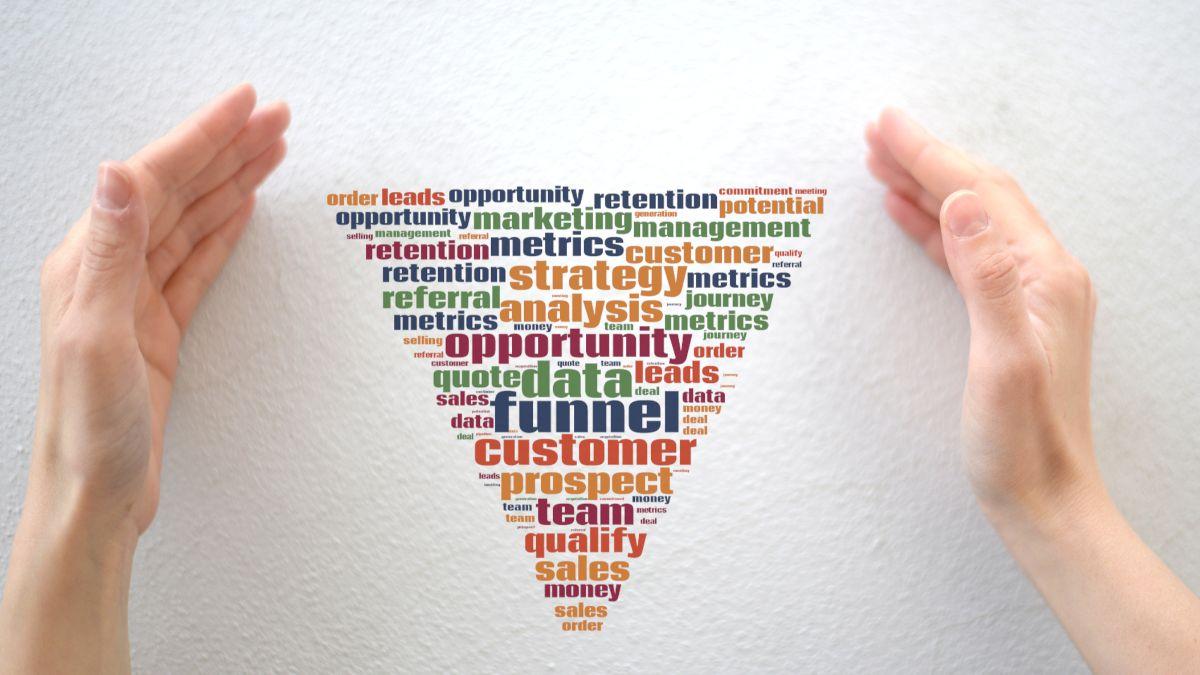
A marketing funnel is a visual representation of the customer journey from initial awareness of a product or service to the final purchase decision. It is a crucial tool for understanding the customer experience and optimizing mark
eting efforts. In this blog post, we will delve into the different stages of a marketing funnel and discuss best practices for maximizing its effectiveness.
There are several different models of marketing funnels, but most include the following stages:
- Awareness: This is the first stage of the marketing funnel, where the customer becomes aware of the product or service. This can happen through a variety of channels, such as social media, advertising, or word-of-mouth.
- Interest: At this stage, the customer expresses interest in the product or service. They may visit the company website or request more information.
- Decision: The customer decides whether or not to purchase the product or service. This decision is often influenced by factors such as price, features, and reviews.
- Action: The customer takes the desired action, whether that is making a purchase, signing up for a trial, or requesting a quote.
- Retention: This is the final stage of the marketing funnel, where the company works to retain the customer and encourage repeat purchases or engagement.
There are a few key considerations for optimizing each stage of the marketing funnel:
- Awareness: To generate awareness, it’s important to have a strong presence on relevant channels, such as social media, advertising platforms, and industry publications. You should also consider creating valuable content that will attract potential customers, such as blog posts, ebooks, or videos.
- Interest: Once a customer is aware of your product or service, it’s important to nurture their interest and encourage them to learn more. This can be done through targeted emails, webinars, or personalized offers.
- Decision: At this stage, it’s important to highlight the value and benefits of your product or service, and address any objections or concerns the customer may have. Reviews and testimonials can also be powerful tools for influencing the customer’s decision.
- Action: To encourage action, it’s important to make it easy for the customer to take the desired step, whether that is making a purchase, signing up for a trial, or requesting a quote. This may involve simplifying the checkout process, offering flexible payment options, or providing clear calls-to-action.
- Retention: Once a customer has made a purchase, it’s important to focus on retention and encourage them to continue engaging with your product or service. This can be done through personalized email campaigns, loyalty programs, or special offers.
In conclusion, a marketing funnel is a valuable tool for understanding the customer journey and optimizing marketing efforts. By focusing on each stage of the funnel, you can effectively guide potential customers towards a purchase decision and encourage repeat business.
Here are a few examples of marketing funnels:- E-commerce: An e-commerce company might use a marketing funnel to optimize the customer journey from awareness to purchase. For example, they might use social media ads to generate awareness, email marketing to nurture interest, and a streamlined checkout process to encourage action.
- B2B software: A B2B software company might use a marketing funnel to optimize the customer journey from initial interest to purchase a subscription. They might use targeted ads to generate interest, webinars to educate potential customers, and free trials to encourage action.
- Service-based business: A service-based business, such as a law firm or consulting company, might use a marketing funnel to optimize the customer journey from initial contact to hiring their services. They might use targeted ads to generate awareness, a strong website to nurture interest, and a clear call-to-action to encourage action.
- Non-profit: A non-profit organization might use a marketing funnel to optimize the customer journey from awareness to donating or volunteering. They might use social media, email marketing, and events to generate awareness and provide clear calls-to-action on their website to encourage action.
- Physical product: A company selling a physical product, such as a sports team selling tickets, might use a marketing funnel to optimize the customer journey from awareness to purchasing tickets. They might use targeted ads, email marketing, and social media to generate awareness and provide a streamlined ticket-buying process to encourage action.
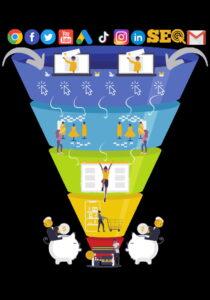
Here is an example of a marketing funnel for an online coaching business:
- Awareness: The online coaching business generates awareness through targeted ads on social media, guest blogging on relevant websites, and networking at industry events.
- Interest: Once potential customers are aware of the coaching business, the company nurtures their interest through email marketing campaigns that provide valuable content and information about their services. They may also offer a free consultation or webinar togive potential customers a taste of what they can expect from coaching.
- Decision: At this stage, the coaching business focuses on highlighting the benefits and value of itsservices, and addressing any objections or concerns that potential customers may have. They may offer a money-back guarantee or free trial to give potential customers confidence in their decision.
- Action: To encourage action, the coaching business makes it easy for potential customers to sign up for coaching sessions by providing a clear call-to-action on their website and streamlining the enrollment process.
- Retention: Once a customer has signed up for coaching, the business works to retain them by providing valuable sessions and ongoing support. They may also offer incentives for referrals or encourage customers to purchase additional coaching packages.